Your afternoon crash isn't a caffeine problem
Cognitive stamina has its own biology. The research that matters is looking at signalling in the brain, not at stimulants.
 By Marcus HaleHealth Science Journalist · Updated this week 6 min read
The standard response to a fading afternoon is another coffee. It works, in the narrow sense that it postpones the fade. It does nothing about why the fade happens, and by the fourth cup it has started borrowing against the night's sleep to pay for the afternoon.
Stimulation versus capacity
Caffeine blocks the receptor that registers accumulated tiredness. The tiredness continues accumulating underneath. That is a masking mechanism, and masking mechanisms have a bill attached.
Cognitive capacity itself depends on something else entirely: the availability of neurotrophic signalling, the molecules involved in maintaining and adapting neural connections. That is the layer the interesting research is examining.
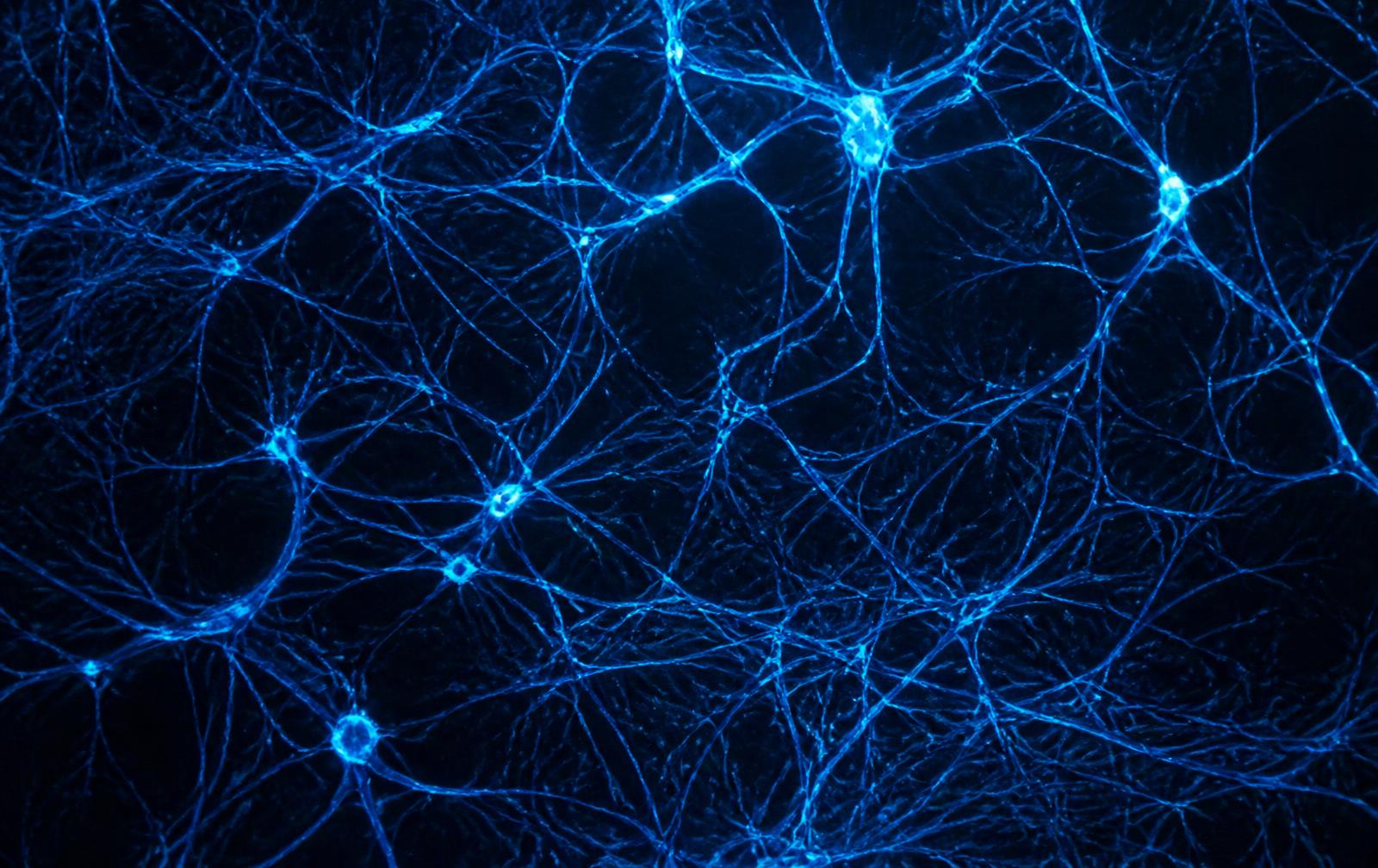
Where the neuropeptide research sits
Semax is a synthetic peptide derived from a fragment of ACTH, studied in the literature for its apparent influence on BDNF signalling, the pathway associated with neural adaptation.
Selank is studied along a different axis, relating to anxiolytic signalling. The two are frequently examined together in the research because the mechanisms address different halves of the same problem: capacity and interference.
Attention is not only a question of how much capacity exists, but of how much of it is consumed by background load.Summary of published neuropeptide research
What the literature already settled
- Sleep consolidation is the single largest determinant of next-day cognition
- Aerobic exercise raises BDNF more reliably than any consumer intervention
- Task switching carries a measurable cognitive cost
- Research compounds are studied against that baseline, not instead of it

Sourcing in a noisy category
Neuropeptides are supplied lyophilised and are sensitive to handling. Third-party batch analysis is the only verification that exists in this category.
Biogenesis Labs publishes certificates of analysis for its research catalogue and supplies all compounds strictly for laboratory research use.