6 reasons recovery collapses in your forties while strength holds up fine
The limiting factor changed, and most training programmes never accounted for it.
 By Daniel FrostHealth Science Journalist · Updated this week 6 min read
Most men past forty are not weaker than they were. They simply cannot clear the damage before the next session arrives. Six documented reasons why.
Connective tissue was always the slow part
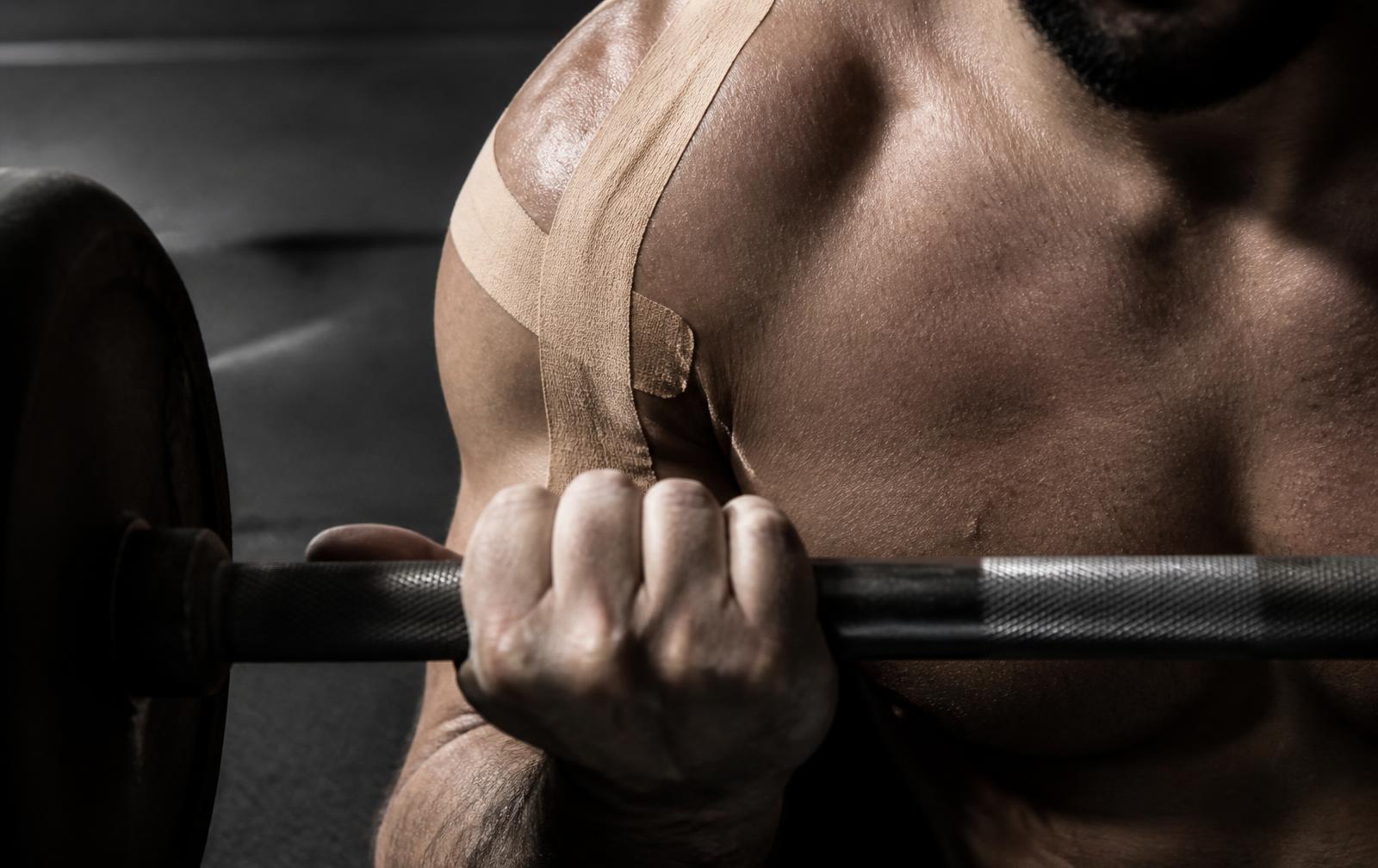
Tendon, ligament and fascia have poor blood supply compared with muscle and have always repaired slowly.
What changes with age is the signalling environment around them, not the tissue's basic design.
Repair debt compounds silently
Each hard session adds microdamage. If repair does not clear it, the deficit accumulates across weeks.
The acute injury that eventually stops training is usually the end of that process, not the start of it.
Sleep is where most repair signalling happens
Growth hormone release is concentrated in deep sleep, and it drives a large share of overnight tissue repair.
Six hours of broken sleep is a recovery problem before it is anything else.
Protein intake is usually guessed, not measured
Repair has a material cost. Intake below requirement sets a hard ceiling on what recovery is possible.
It is the most common gap found when training logs and food logs are compared.
Blood flow is the constraint the research targets
TB-500 is studied for its role in cell migration and new blood vessel formation in damaged tissue.
BPC-157 is studied along a tissue repair signalling pathway. The two are frequently examined together.
Programme-hopping hides the real issue
Switching programmes every six weeks prevents the progressive loading that tendons specifically adapt to.
Progressive tendon loading is the single best-evidenced intervention in this entire area.
Recovery is a system, and the compounds in this literature are studied against that system rather than in place of it. Biogenesis Labs publishes third-party batch analysis for its research catalogue and supplies all compounds strictly for laboratory research use.