The recovery gap: why the same injury takes three times longer at 42
Training capacity holds up remarkably well into midlife. Tissue repair does not. Researchers have been mapping the difference for years.
 By Daniel FrostHealth Science Journalist · Updated this week 7 min read
Ask a man in his forties what has changed about training and he will not usually say he is weaker. He will say the shoulder takes a week to settle. That the knee announces itself on stairs. That a session which used to cost a day now costs three.
That is not strength loss. It is a repair rate problem, and it has its own biology.
What slows down, specifically
Connective tissue, tendon, ligament and fascia, has poor blood supply compared with muscle. It was always slower to repair. What changes with age is the signalling environment around it: growth factor availability, local blood flow, and the efficiency of the cascade that recruits repair cells to a damaged site.
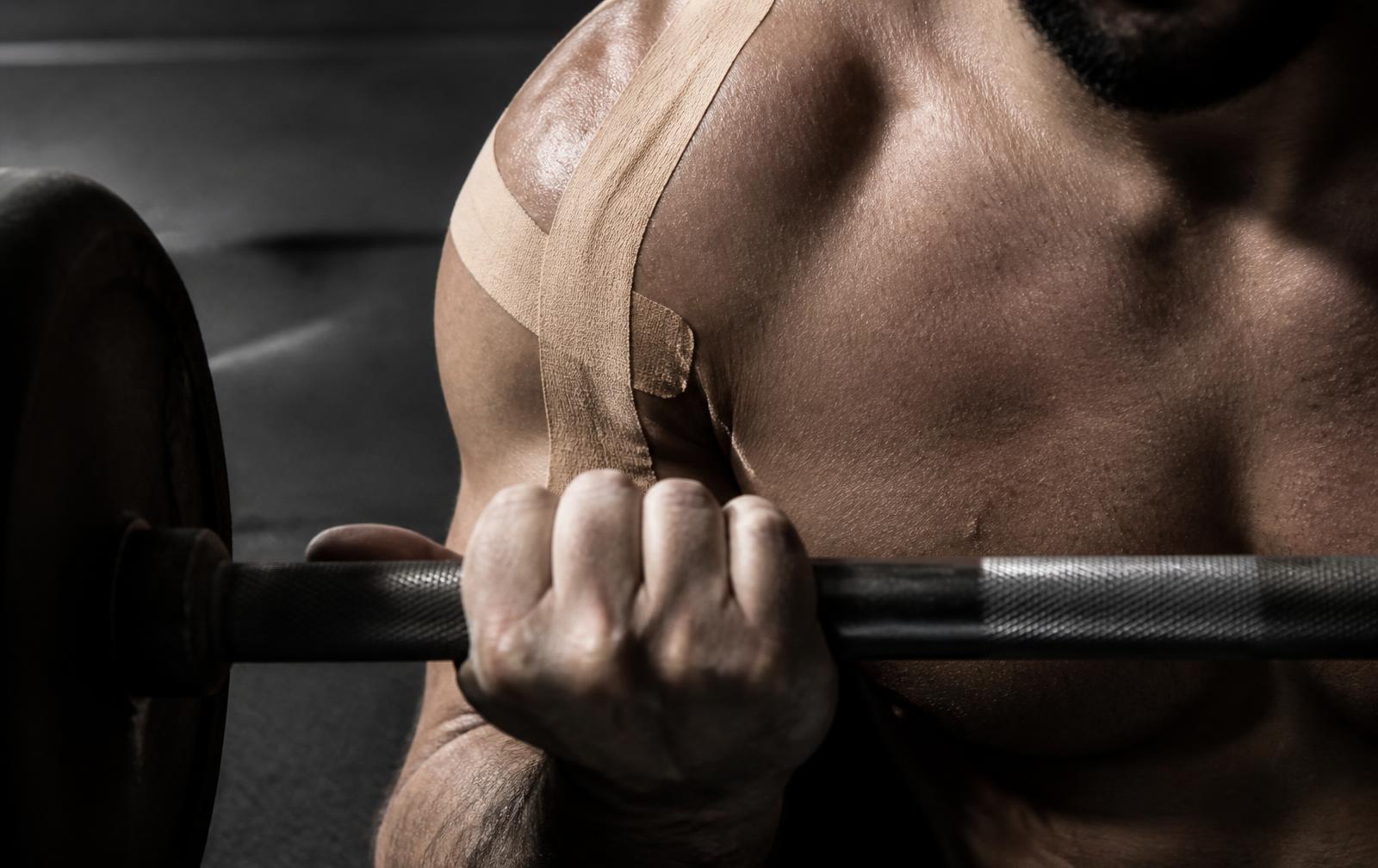
The practical consequence is a backlog. Each session adds damage. If repair cannot clear it before the next session, the deficit compounds until something acute finally stops training altogether.
Where the peptide research is focused
BPC-157 is a synthetic peptide sequence derived from a protein found in gastric juice. The published research examines its role in tissue repair signalling, particularly in models involving tendon, ligament and gut tissue.
TB-500, a synthetic fragment related to thymosin beta-4, is studied along a different axis: cell migration and the formation of new blood vessels in damaged tissue. Blood supply is the constraint in connective tissue repair, which is why that mechanism draws attention.
These two compounds are studied together often enough that the pairing has its own shorthand in the research community.Summary of published tissue repair research
The combined preparation sold as the Wolverine Stack exists for that reason. It is a research preparation, supplied for laboratory use, and the name is a nod to how the pairing is discussed rather than a claim about what it does.
The unglamorous half of recovery
- Sleep is when the majority of tissue repair signalling occurs
- Protein intake sets the ceiling on what repair is possible
- Loading tendons progressively is the best-evidenced intervention there is
- Research compounds are studied against that baseline, not instead of it
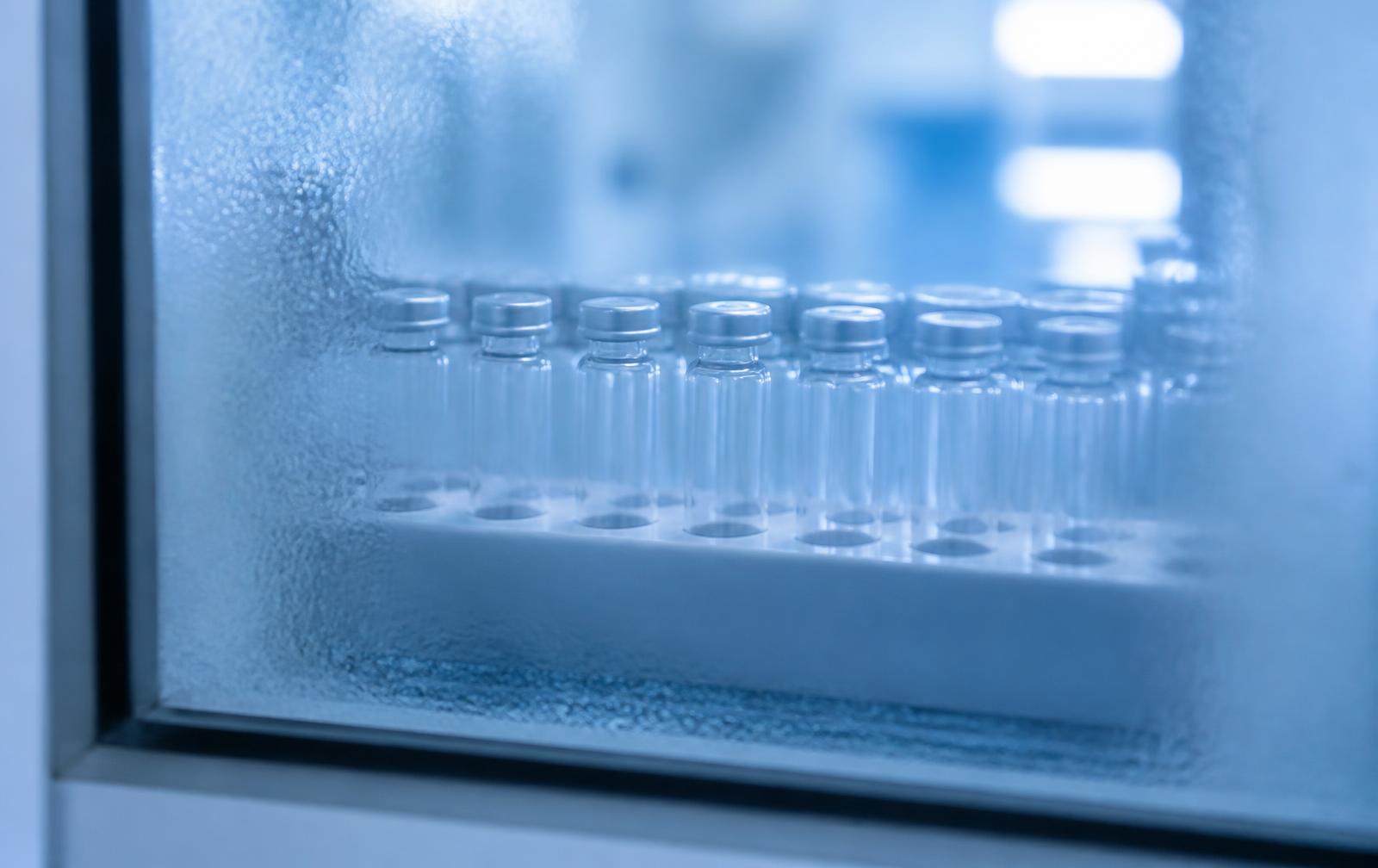
Purity is the whole question
In a category with minimal oversight, the only meaningful signal is third-party batch testing. Without a certificate of analysis, the contents of a vial are an assumption.
Biogenesis Labs publishes batch-level analysis for its research catalogue and supplies every compound strictly for laboratory research use.