Why skin research moved away from the surface and went looking for signals
Topical skincare works on the outermost layer. The laboratory research that generates the most interest right now is looking at the signalling that happens several layers below it.
 By Hannah ReeceHealth Science Journalist · Updated this week 6 min read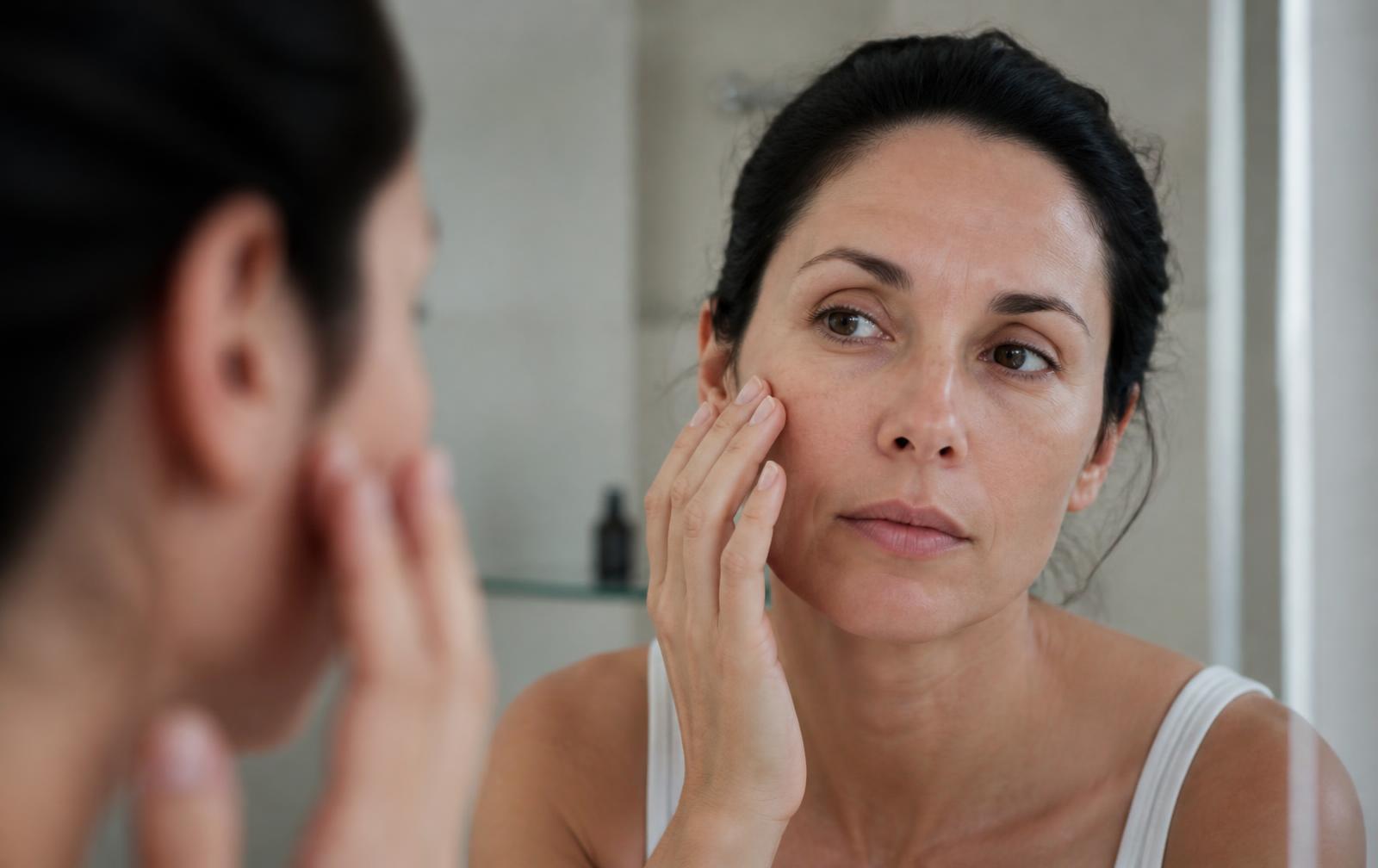
There is a shelf in almost every bathroom that tells the same story. Six or seven products, each bought with real hope, each quietly demoted after a few months. The ritual continues. The result plateaus.
The reason is not that the products are fraudulent. It is that they are working on a layer of tissue that is not where the change is happening.
The structural problem underneath
Skin is held up by a scaffold of collagen and elastin. From roughly the mid-thirties, the rate at which that scaffold is rebuilt falls behind the rate at which it breaks down. The visible result, thinner skin, slackening along the jaw, lines that stop smoothing out overnight, is a structural change, not a surface one.
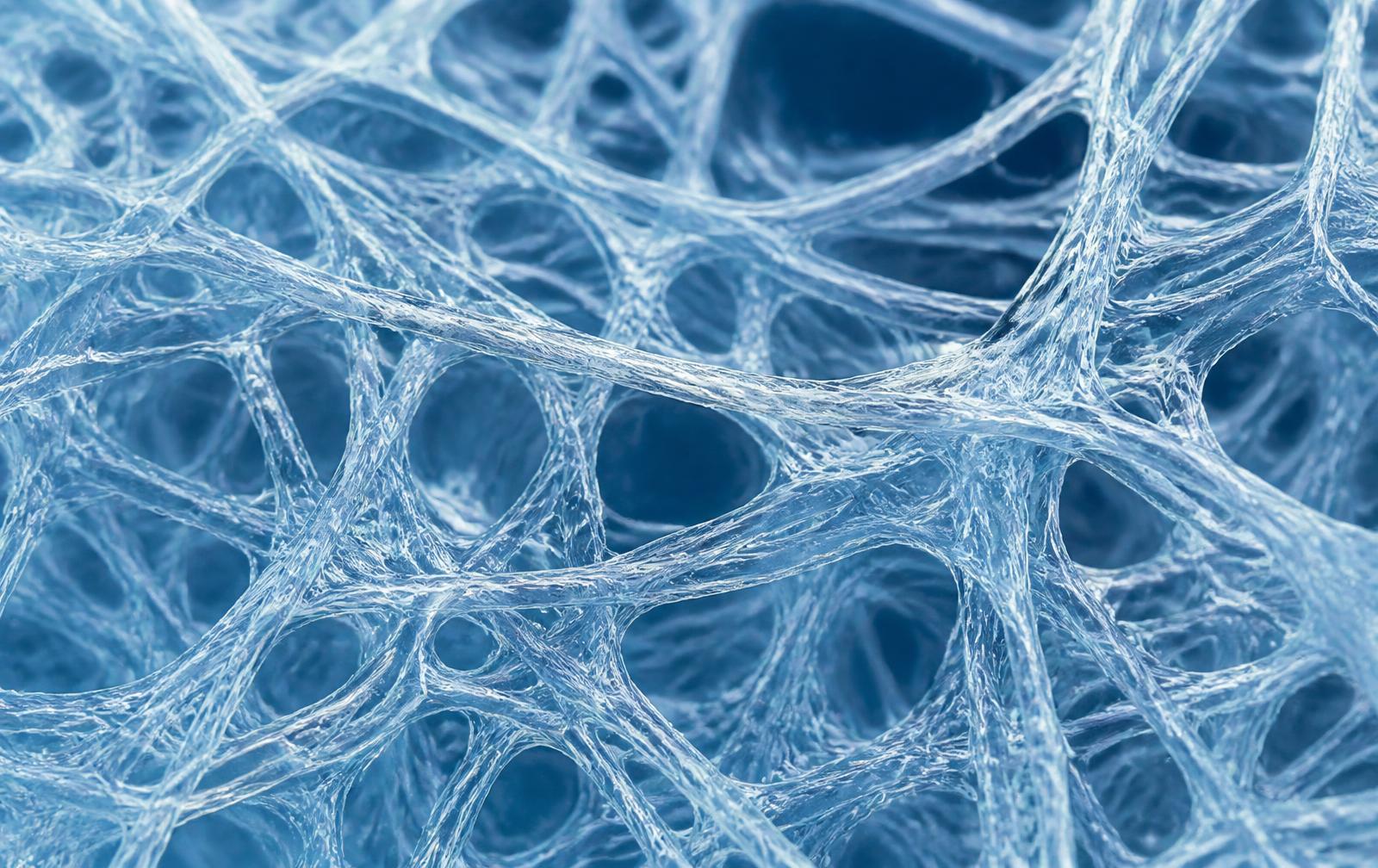
Most topical formulations cannot cross into that scaffold in any meaningful quantity. That is a physical constraint, not a marketing failure. It is also precisely why laboratory research turned toward signalling molecules instead.
Copper peptides and the repair literature
GHK-Cu is a naturally occurring copper-binding peptide that has been studied since the 1970s. The research interest centres on its apparent role in tissue remodelling signalling: the set of instructions that tell skin to rebuild rather than simply hold.
What makes the literature unusual is its age and its breadth. This is not a compound that appeared in a marketing cycle. It has been examined across wound healing, tissue repair and skin research for decades, which gives researchers an uncommonly long record to read.
The shift in this field was from covering a change to studying the signals that produce it.Summary of published dermatological research
Blends and why researchers use them
Formulations such as GLOW and KLOW combine several studied peptides in a single research preparation. The logic is straightforward: tissue repair is not governed by one signal, so the research examines several pathways together rather than in isolation.
- Collagen decline is structural and begins earlier than most people expect
- Surface formulations are limited by what can physically penetrate
- Copper peptide research has a decades-long published record
- Blended research preparations examine several pathways at once
The sourcing question nobody asks early enough
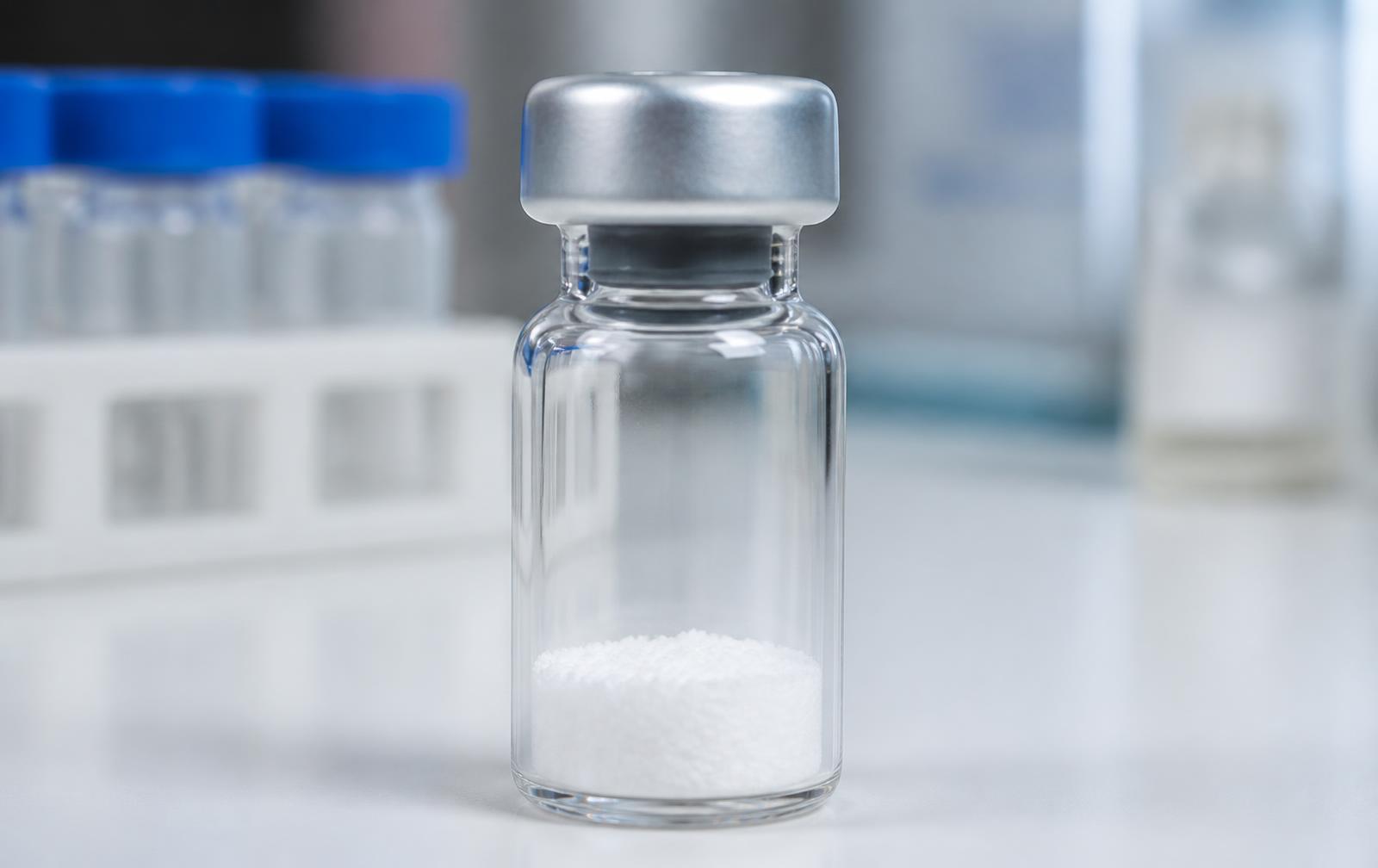
Peptides are fragile molecules. Purity, storage and handling determine whether what is in the vial matches what is on the label. In a category with very little enforcement, the certificate of analysis is the only document that means anything.
Biogenesis Labs publishes third-party batch analysis across its catalogue, and supplies every compound strictly for laboratory research use. That framing is not a legal afterthought. It is an accurate description of what these materials are.